

Many straightforward rangehood replacements can be completed within a day. A new ducted installation may take longer where there is difficult access, a long duct route, cabinetry work or additional electrical work. We will explain the expected scope and timeframe before work begins.
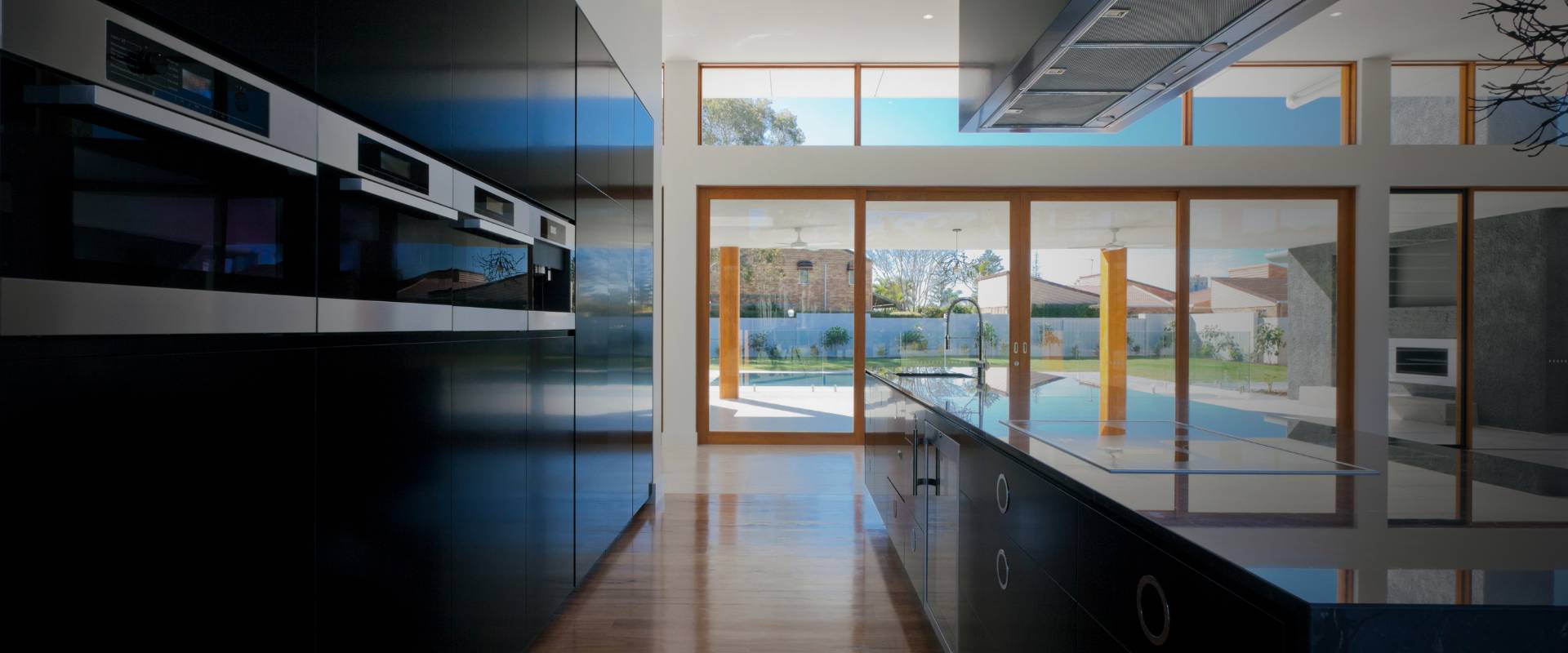
Rangehood Installation Auckland
Professional rangehood installation for Auckland kitchens
AEC installs and replaces rangehoods across Auckland, helping homeowners and landlords remove cooking steam, grease, smoke and odours at the source. We assess your kitchen, advise on ducted or recirculating options, position the unit correctly, complete the electrical connection and install practical ducting where needed. The result is cleaner air, better kitchen ventilation and a tidy installation for everyday cooking.
WHY INSTALL A RANGEHOOD?
Cleaner Air, Less Cooking Moisture & a Fresher Kitchen. A well-installed rangehood captures steam, grease, smoke and cooking odours where they begin. It supports a cleaner kitchen, helps reduce moisture from everyday cooking and makes open-plan living more comfortable. For the strongest moisture removal, a ducted system that exhausts outdoors is usually the most effective option.

THE PROCESS – PRACTICAL, TIDY & PROFESSIONAL
AEC manages your rangehood installation from the first conversation to the final handover. We assess your kitchen layout, cooktop, cabinetry and the most practical route for ducting. Then we recommend a suitable approach, complete the installation and electrical connection, test the rangehood, and show you how to use and maintain it with confidence.
CHOOSING THE RIGHT RANGEHOOD MATTERS
Not every Auckland kitchen needs the same rangehood. The right choice depends on your cooktop size, kitchen layout, cooking habits, cabinetry, exterior access and whether the property is owner-occupied or rented. We will explain the difference between ducted and recirculating rangehoods clearly, then recommend a solution that looks right and performs properly in your space.
Our Process
01
Professional Rangehood Installation Auckland in Auckland
Looking for a reliable rangehood installer in Auckland? Anderson Electrical Contractors (AEC) installs ducted and recirculating rangehoods for renovations, new kitchens, rental upgrades and straightforward replacements.
Whether you have already chosen a rangehood or need practical advice before you buy, we will help you select a system that suits your cooktop, kitchen design and budget. Our focus is on neat workmanship, clear advice and kitchen extraction that performs properly.
02
Ducted vs recirculating rangehoods
A ducted rangehood moves cooking steam, odours and airborne grease outside through ducting, making it the preferred option where an external outlet is practical. A recirculating rangehood filters grease and some odours, then returns air to the kitchen. It can suit spaces where ducting is not feasible, but it does not remove cooking moisture outdoors.
AEC considers duct routes, wall or roof access, cupboard space, electrical requirements and maintenance access before recommending a solution. For rental properties, external extraction may be needed to meet current Healthy Homes ventilation requirements.
03
4 signs your rangehood may need replacing
Not sure whether your current rangehood is still doing the job? Look out for these common signs that a replacement or upgrade may be worthwhile:
- Steam That Lingers: Your kitchen stays steamy long after cooking, especially around windows, cupboards or splashbacks.
- Cooking Smells Travel: Food odours spread through the home and linger long after the meal is finished.
- Grease Builds Up Quickly: Sticky residue around cabinets, tiles or ceiling surfaces can point to weak extraction.
- Weak Airflow: The rangehood is running, but it feels like it is barely drawing air from the cooktop.
04
How much does rangehood installation cost in Auckland?
The cost of rangehood installation in Auckland depends on the unit you choose and the practical requirements of your kitchen. A simple replacement can be straightforward, while a new ducted installation may involve wall or roof penetrations, longer ducting runs, cabinetry adjustments or additional electrical work.
- The rangehood type, size and extraction capacity required for your cooktop.
- Whether the system will be ducted externally or installed in recirculating mode.
- Wall, roof, ceiling, cabinetry and duct access, including the complexity of the route.
- Whether a new power point, dedicated circuit or other electrical work is required.
- Removal and responsible disposal of an existing rangehood, where applicable.
Ready for a cleaner, fresher Auckland kitchen?
Whether you are renovating, replacing an older unit, fitting out a new kitchen or upgrading a rental property, AEC is here to help. We will assess your kitchen and explain the best rangehood installation approach for your space.
Enjoy better control of steam, grease and cooking odours with a system designed for how you cook. And because every kitchen is different, you will get clear advice before any work begins.
Rangehood Installation FAQs
Can a rangehood vent into the roof cavity?
No. Where a rangehood is designed to extract air, the ducting should discharge outdoors rather than into a roof space or another internal area. Venting inside the building can leave moisture, grease and cooking contaminants where they may cause problems. We will assess the most practical route to the exterior for your kitchen.
Will a recirculating rangehood meet rental requirements?
A recirculating rangehood filters air before returning it to the kitchen, so it does not exhaust cooking moisture outdoors. For rental properties, you should not assume a recirculating unit meets Healthy Homes ventilation requirements. AEC can assess your current kitchen extraction and recommend a practical, externally vented solution where required.